Water-Based vs Silicone-Based Lubricants: What's the Difference?



News - Sex tips, advice on the best and latest toys and guides to everything from bondage to vibrator repair. Our blog is where you will find real-life experiences and recommendations to help you, and whoever you play with, get the most out of our sex toys and products. Fancy trying something new but unsure where to start? Or looking for thigh-trembling tricks to take things up a notch or two? Well then read on and see what our experts have to say. Still want more? Tweet us @harmonystoreuk and we will do our best to answer your questions. Our pleasure.
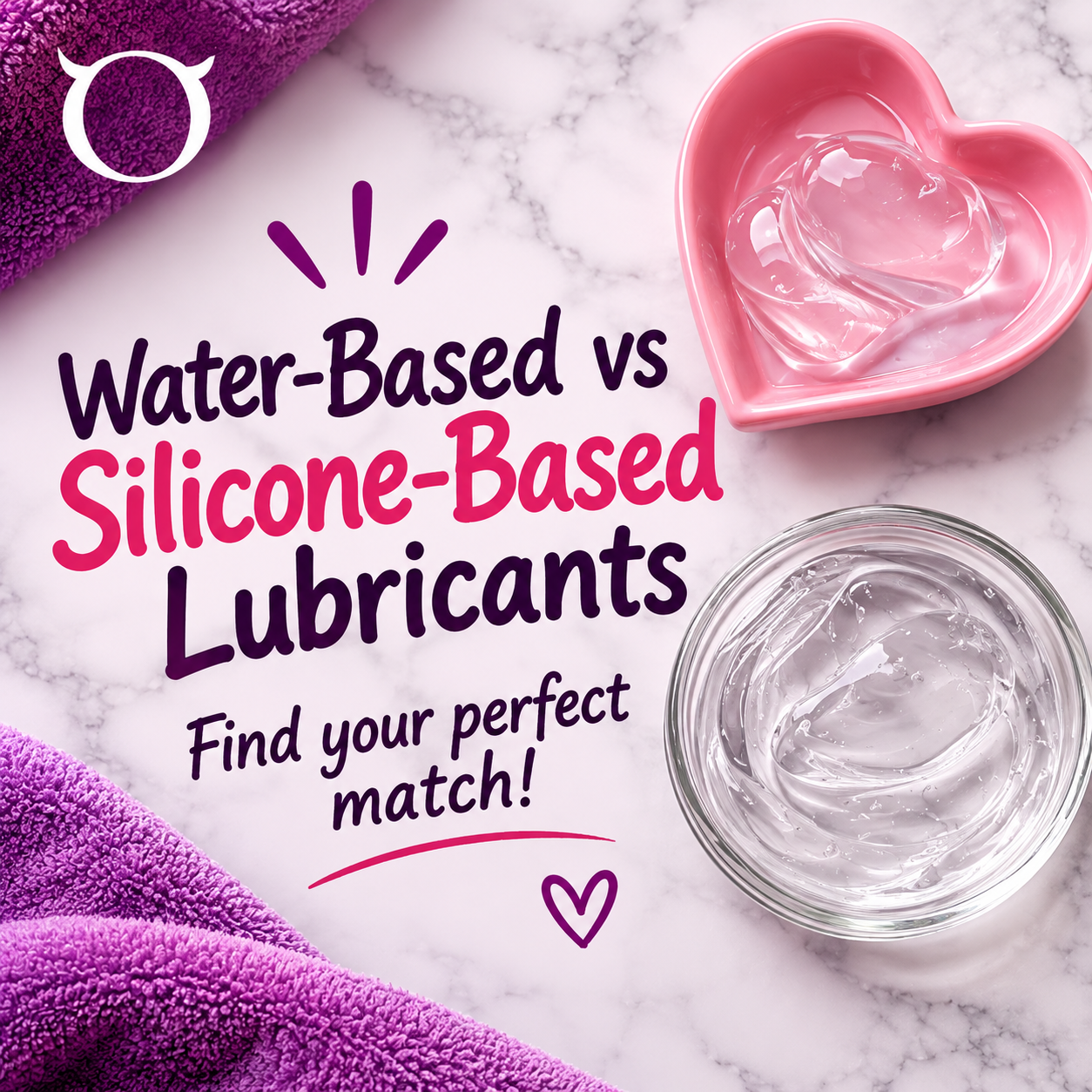
Let's talk about something that can make intimate moments a whole lot more comfortable: lubricant. Whether you're exploring solo pleasure, enjoying time with a partner or simply looking to make intimacy more enjoyable, the right lube can make a noticeable difference. But with so many options available, one question often comes up: should you choose water-based or silicone-based lubricant?
Both types help reduce friction, but they have different textures, benefits and uses. Some are easy to wash away and work with a wide range of sex toys, while others offer longer-lasting lubrication and a silky-smooth feel. So, which one deserves a place in your bedside drawer? Let's break down the differences.
What Is Personal Lubricant and Why Use It?
Personal lubricant, commonly called lube, is a product designed to reduce friction during sexual activity. It can make intimacy more comfortable, particularly when natural lubrication is not sufficient.
Lubricants can be useful for:
-
Making penetration more comfortable by reducing friction.
-
Supporting intimate activities when experiencing vaginal or anal dryness.
-
Making masturbation and solo exploration more comfortable.
-
Reducing friction when using compatible sex toys.
-
Adding a smoother sensation during partnered intimacy.
Natural lubrication varies from person to person and can change with stress, hormones, medication, age and other factors. Using lubricant is perfectly normal and does not mean anything is wrong with your body.
What Is Water-Based Lubricant?
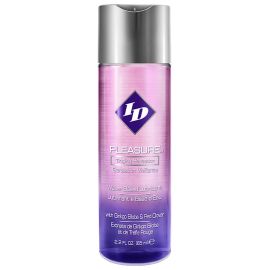
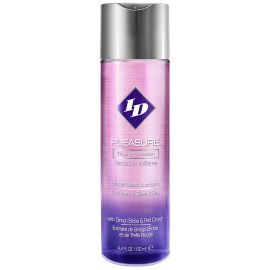
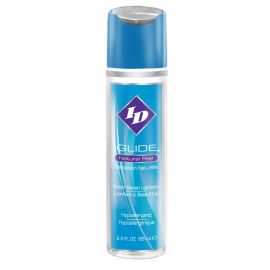
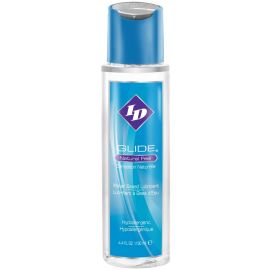
Water-based lubricant uses water as its primary ingredient. It is one of the most versatile types of personal lubricant and is a popular choice for everyday use. Its texture is generally lightweight and smooth, making it suitable for many different intimate activities. It also tends to wash away easily with water, which makes cleaning relatively simple.
Benefits of Water-Based Lubricants
1. Compatible With Most Sex Toys
One of the biggest advantages of water-based lube is its compatibility with most sex toy materials, including silicone toys. Always check the manufacturer's instructions, particularly if a toy has a special coating or finish.
2. Suitable for Latex Condoms
Water-based lubricants are generally compatible with latex condoms, making them a convenient option for people who use them during sex.
3. Easy to Clean
Water-based formulas can usually be washed away with warm water, so cleaning up afterwards is straightforward.
4. Lightweight and Non-Greasy
If you prefer a lubricant that feels light rather than thick or oily, water-based options are worth considering.
Are There Any Disadvantages?
Water-based lubricants can dry out or become sticky during longer sessions. You may need to reapply them to maintain a comfortable level of lubrication. Some formulas also contain glycerin, fragrances or other ingredients that may irritate sensitive skin. If you are prone to irritation, consider a simple, fragrance-free formula and check the ingredient list.
What Is Silicone-Based Lubricant?
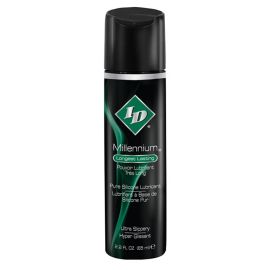
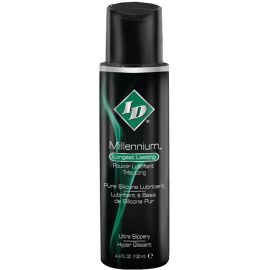
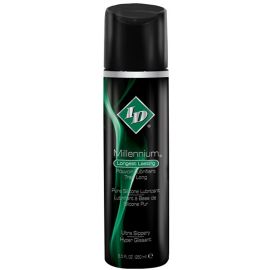
Silicone-based lubricant uses silicone ingredients to create a smooth, slippery layer on the skin. Unlike water-based formulas, it does not evaporate or dry out as quickly. This makes it a popular choice for people who want longer-lasting lubrication without frequent reapplication.
Benefits of Silicone-Based Lubricants
1. Longer-Lasting Lubrication
Silicone-based lube generally lasts longer than water-based alternatives. It can be particularly useful for longer intimate sessions.
2. Silky-Smooth Texture
Its smooth, slippery consistency creates a different sensation from the lighter feel of water-based lubricant.
3. Water-Resistant Formula
Silicone-based lubricants are not easily washed away by water, which makes them a popular option for shower or bath intimacy.
4. Less Frequent Reapplication
Because silicone-based formulas tend to last longer, you may not need to keep reaching for the bottle during use.
Are There Any Disadvantages?
Silicone-based lubricant can be more difficult to wash off than water-based alternatives. Soap and water may be needed for proper cleaning.
It is also generally not recommended for use with silicone sex toys, as certain silicone formulations may damage or affect the toy's surface. Check the toy manufacturer's guidance before combining products. Another consideration is that silicone-based lubricant can leave residue on fabrics, so take care when using it around bedding or clothing.
Water-Based vs Silicone-Based Lubricants: Key Differences
Now that we have looked at each type individually, here's how they compare.
|
Feature |
Water-Based |
Silicone-Based |
|
Main ingredient |
Water |
Silicone compounds |
|
Texture |
Lightweight and smooth |
Silky and slippery |
|
Longevity |
May need reapplication |
Generally lasts longer |
|
Cleaning |
Usually washes off easily |
May require soap and water |
|
Latex condom compatibility |
Generally compatible |
Generally compatible |
|
Silicone sex toy compatibility |
Generally suitable |
Not generally recommended |
|
Water resistance |
Not water-resistant |
Water-resistant |
|
Everyday use |
Versatile option |
Suitable for longer-lasting lubrication |
Both options have their advantages. The better choice depends on your preferences, the type of intimacy involved and whether you are using condoms or sex toys.
Which Lubricant Is Better for Sex Toys?
If you regularly enjoy using sex toys, lubricant compatibility is particularly important. Water-based lubricant is generally the safest starting point for most sex toys, including silicone, glass and ABS plastic toys. It provides extra glide without the same compatibility concerns associated with silicone-based products.
Silicone-based lubricant can work with many non-silicone toys, such as glass toys, but it is best avoided with silicone toys unless the manufacturer specifically confirms compatibility. Our tip: If you're unsure what material your toy is made from, check its product information before choosing a lubricant.
Which Lubricant Is Better for Condoms?
Both water-based and silicone-based lubricants are generally compatible with latex condoms.However, oil-based products, including massage oils, petroleum jelly and some body oils, can weaken latex and increase the risk of condom breakage.If you're using condoms made from other materials, such as polyurethane or polyisoprene, check the manufacturer's instructions for lubricant compatibility.Always use a lubricant specifically designed for intimate use rather than assuming that any slippery product will be suitable.
Can You Use Water-Based or Silicone-Based Lubricant for Anal Sex?
Yes, both types can be used for anal sex. The anus does not naturally produce lubrication in the same way the vagina does, so using an appropriate lubricant can help reduce friction and discomfort. Silicone-based lubricant is often preferred for longer-lasting glide, while water-based lubricant offers easier cleaning and broader sex toy compatibility. Whichever you choose, use plenty of lubricant, go slowly and communicate with your partner. Stop if you experience pain. If using an anal toy, check its material and manufacturer's care instructions before choosing a lubricant.
Can You Use Silicone-Based Lubricant in the Shower?
Yes. Silicone-based lubricant is water-resistant, which means it is less likely to wash away when exposed to water. Water-based lubricant, on the other hand, can become diluted or wash off more quickly in the shower or bath. One important thing to remember: water and lubricant do not replace each other. Shower surfaces can also become slippery, so take care when moving around.
How to Choose the Right Lubricant for You
Still unsure which bottle to add to your collection? Think about how you plan to use it.
Choose Water-Based Lubricant If:
-
You want an everyday, versatile option.
-
You regularly use silicone sex toys.
-
You prefer something lightweight and easy to wash off.
-
You use latex condoms.
-
You do not mind reapplying lubricant when needed.
Choose Silicone-Based Lubricant If:
-
You prefer longer-lasting lubrication.
-
You want a silky, slippery texture.
-
You are looking for a water-resistant formula.
-
You want to avoid frequent reapplication.
-
You are not using silicone toys unless compatibility has been confirmed.
What If You Have Sensitive Skin?
If you have sensitive skin, pay attention to the ingredients rather than choosing solely based on whether the lubricant is water-based or silicone-based. Consider products that are fragrance-free and avoid ingredients you already know cause irritation. Some people may also react to preservatives, flavourings or warming and cooling additives. If a lubricant causes burning, itching or irritation, stop using it. Persistent symptoms should be discussed with a healthcare professional.
Is It Safe to Mix Water-Based and Silicone-Based Lubricants?
There is generally no need to mix the two types. Using one suitable lubricant at a time makes it easier to understand how your skin responds and whether the product is compatible with your condoms or toys.
If you are considering layering products, check the manufacturer's guidance first. Compatibility can depend on the specific formulation rather than just the lubricant category.
Final Verdict: Water-Based or Silicone-Based Lubricant?
So, which one wins?
Honestly, neither is universally better. Water-based lubricant is a versatile, easy-to-clean option that works with most sex toys and latex condoms. Silicone-based lubricant offers a longer-lasting, water-resistant experience with a silky-smooth feel. If you are building your sexual wellness collection, having both types available can be useful. That way, you can choose according to the occasion, your preferences and the products you're using. The most important thing is finding a lubricant that feels comfortable, suits your needs and makes intimacy more enjoyable. Ready to find your perfect match? Explore the lubricant collection at Harmony Store and discover options for more comfortable, enjoyable intimate moments.