


A high libido may reflect an individual's natural level of sexual desire, personal circumstances or hormonal influences. It is not automatically a problem unless it causes distress, feels difficult to control or leads to unwanted consequences.
What Is Libido? Understanding Sexual Desire and What Affects It
News - Sex tips, advice on the best and latest toys and guides to everything from bondage to vibrator repair. Our blog is where you will find real-life experiences and recommendations to help you, and whoever you play with, get the most out of our sex toys and products. Fancy trying something new but unsure where to start? Or looking for thigh-trembling tricks to take things up a notch or two? Well then read on and see what our experts have to say. Still want more? Tweet us @harmonystoreuk and we will do our best to answer your questions. Our pleasure.
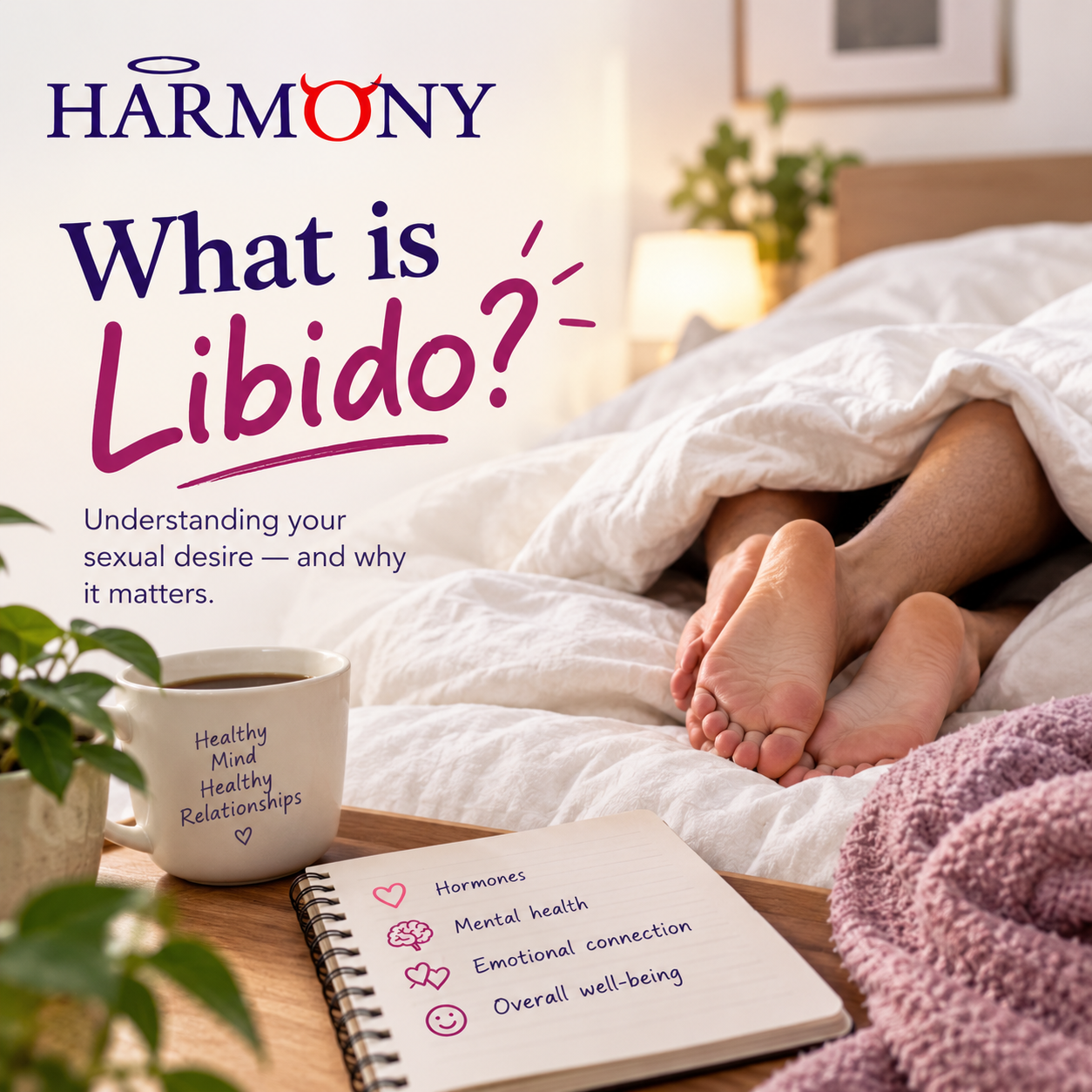
Have you ever wondered why your desire for intimacy seems to change from one day to the next? Sometimes, the thought of getting close to your partner sounds exciting. Other times, you would rather relax, watch your favourite show and enjoy a little me-time. Both can be completely normal.
These changes often come down to libido, the term used to describe a person's sexual desire or interest in sexual activity. Libido can be influenced by everything from hormones and stress to sleep, relationships and overall wellbeing.
Whether you want to understand your own desires, improve intimacy with your partner or simply learn more about sexual wellness, understanding libido is a great place to start.
What Is Libido?
Libido refers to your level of sexual desire. It describes how interested you feel in sexual activity, intimacy or sexual thoughts and fantasies.
There is no universal level of libido that everyone should have. Some people experience sexual desire frequently, while others feel it occasionally or rarely. Your own level of desire may also change throughout your life.
Libido is not a measure of how attractive you find your partner, how much you love someone or how satisfying your relationship is. A person can deeply love their partner and still experience periods of low sexual desire.
It is also important to understand that sexual desire does not always appear spontaneously. Some people experience spontaneous desire, where they feel interested in sex without any particular trigger. Others experience responsive desire, which develops after affectionate touch, emotional closeness or an enjoyable intimate experience.
Both patterns can be normal.
What Is Considered a Normal Libido?
There is no single definition of a normal libido. What matters most is whether your level of sexual desire feels comfortable for you and whether any changes are causing concern.
For some people, sexual thoughts and desires may occur regularly. Others may only feel interested in sex occasionally. Neither automatically indicates a problem.
Your libido may also fluctuate depending on what is happening in your life. A stressful week at work, a period of poor sleep, a change in your relationship or hormonal fluctuations can all influence how interested you feel in intimacy.
Rather than comparing yourself with a partner, friends or expectations portrayed in films and social media, focus on your own needs and experiences.
A healthy sex life is not about meeting a particular frequency. It is about comfort, communication, consent and mutual satisfaction.
What Affects Libido?
Sexual desire is influenced by a combination of physical, emotional and lifestyle factors. Understanding these influences can help you recognise why your libido might change.
1. Hormonal Changes
Hormones play a role in sexual desire, although their effects vary from person to person.
Testosterone contributes to sexual desire in people of all sexes. Oestrogen and other hormones can also influence sexual comfort, arousal and overall wellbeing.
Hormonal changes during puberty, pregnancy, after childbirth, perimenopause and menopause may affect libido. Some people notice an increase in desire during certain periods, while others experience a decrease.
Hormonal changes are only one part of the picture, however. Low libido does not automatically mean that your hormone levels are abnormal.
2. Stress and Mental Wellbeing
Stress can be a major obstacle to sexual desire. When your mind is occupied with deadlines, financial worries, family responsibilities or other pressures, intimacy may naturally move down your priority list.
Anxiety, low mood and depression can also affect interest in sex. Sometimes, the pressure to feel desire can make the situation even more frustrating.
Taking time to relax, setting boundaries around work and finding ways to manage stress may help support your overall wellbeing. If emotional difficulties persist or significantly affect your daily life, speaking with a healthcare professional can be helpful.
3. Sleep and Energy Levels
It is difficult to feel interested in intimacy when you are constantly exhausted.
Poor sleep, irregular routines and long working hours can leave you feeling physically drained and mentally distracted. Sleep problems may also affect mood and hormonal regulation, which can influence sexual desire.
Try to establish a consistent sleep routine, make time for rest and avoid treating intimacy as another task on an already crowded to-do list.
Sometimes, a little more rest is a better starting point than trying to force yourself to feel in the mood.
4. Relationship and Emotional Connection
For many people, libido is closely connected to how they feel within a relationship.
Emotional closeness, trust, affection and open communication can help create an environment where intimacy feels comfortable and enjoyable. On the other hand, unresolved disagreements, resentment, a lack of privacy or feeling emotionally disconnected may reduce sexual desire.
Different levels of libido between partners are also common. One person may want intimacy more frequently than the other, and neither partner is automatically at fault.
Talking openly about your needs, preferences and boundaries can help you understand each other without turning sex into an obligation.
5. Medications and Health Conditions
Certain medications and health conditions can affect sexual desire.
Some antidepressants, blood pressure medicines and hormonal contraceptives may influence libido in some people. Chronic pain, diabetes, thyroid disorders and other health conditions can also contribute.
The effect varies depending on the person, medication and underlying condition.
If you notice a persistent change in sexual desire after starting a medication or experiencing a health change, speak with your doctor or pharmacist. Do not stop prescribed medication or change your dosage without medical advice.
6. Exercise, Diet and General Lifestyle
Your general health can influence your sexual wellbeing.
Regular physical activity may support mood, energy levels, cardiovascular health and body confidence. A balanced diet, adequate hydration and sufficient rest can also contribute to overall wellbeing.
However, there is no single food or exercise routine guaranteed to increase libido. Be cautious of products that promise instant results or claim to fix every sexual concern.
A sustainable, balanced lifestyle is more useful than chasing a quick fix.
7. Body Confidence and Self-Esteem
How you feel about your body can affect how comfortable you are with intimacy.
Concerns about appearance, performance or whether you are meeting a partner's expectations may make it harder to relax and enjoy the moment.
Building body confidence takes time. Focusing on what feels good, communicating your preferences and allowing intimacy to happen without unrealistic expectations may help you feel more comfortable.
Remember that you do not need to look or behave a certain way to deserve pleasure, affection or a satisfying intimate life.
What Causes Low Libido?
Low libido means experiencing less interest in sexual activity than you would like or than is usual for you. It can be temporary or longer-lasting.
Common contributing factors include:
-
Ongoing stress, anxiety or low mood.
-
Tiredness, sleep difficulties or burnout.
-
Hormonal changes.
-
Relationship concerns or reduced emotional connection.
-
Pain or discomfort during sex.
-
Certain medications or underlying health conditions.
-
Changes in body confidence or personal circumstances.
Sometimes, several factors occur together. For example, stress may affect sleep, poor sleep may reduce energy and relationship worries may make intimacy feel less appealing.
Having a low libido is not automatically a medical problem. It is worth seeking support if the change is persistent, distressing, unexplained or affecting your quality of life.
Can You Increase Your Libido Naturally?
If you would like to feel more interested in intimacy, there are several practical steps you can explore. The aim is not to force desire but to create conditions in which it can develop naturally.
Prioritise Rest and Relaxation
Give yourself permission to slow down. Better sleep, relaxing activities and a more manageable routine may help if exhaustion or stress is affecting your desire.
Make Time for Intimacy Without Pressure
Intimacy does not have to begin or end with sex. Cuddling, kissing, affectionate touch and spending uninterrupted time together can help you reconnect with your partner.
Keep communication open and remember that any intimate activity should remain consensual, with either person free to change their mind.
Talk About What You Enjoy
It is easier to explore your preferences when you can discuss them without embarrassment or judgement.
Talk about what makes you feel comfortable, what you would like to try and what is not for you. Listening to your partner's preferences is equally important.
Explore Pleasure at Your Own Pace
Getting to know your body can help you understand your preferences and the types of stimulation you enjoy.
For some adults, solo exploration can be a useful part of sexual wellness. Others may prefer to explore intimacy with a partner. There is no requirement to follow one particular approach.
If you choose to use sexual wellness products, select products suited to your needs, follow their care instructions and use appropriate lubricant where needed.
Review Your Overall Wellbeing
Consider whether recent changes in sleep, stress, medication, mood or physical health might be affecting your desire.
If you suspect an underlying issue, professional advice is a better option than relying on unverified supplements or products marketed as libido boosters.
Does Libido Differ Between Men and Women?
Libido varies considerably between individuals, regardless of sex or gender.
Although hormones can influence sexual desire, it is misleading to assume that all men have a high libido or that all women experience less desire. Personal circumstances, emotional wellbeing, relationships, health and individual preferences all play a part.
Men may experience changes in libido linked to stress, testosterone levels, medication, health conditions or relationship difficulties. Women may experience changes associated with hormonal fluctuations, pregnancy, menopause, stress, pain or other factors.
People of any gender can experience high, low or fluctuating sexual desire.
The important thing is to understand your own experience rather than measuring it against stereotypes.
Can Libido Change as You Get Older?
Yes. Sexual desire can change throughout life, but getting older does not automatically mean losing interest in intimacy.
Some people experience a gradual reduction in sexual desire as they age, while others maintain a similar level of interest or find new ways to enjoy intimacy.
Changes in hormone levels, physical health, medication, sleep and relationship circumstances may all play a role. For some women, menopause-related symptoms such as vaginal dryness or discomfort can make sex less comfortable, which may affect desire.
If physical discomfort is reducing your interest in sex, a healthcare professional can discuss suitable options. Lubricants and vaginal moisturisers may help with certain types of dryness, depending on the circumstances.
There is no age at which you are expected to stop enjoying intimacy. Your preferences and needs may simply evolve over time.
What Is the Difference Between Libido and Arousal?
Libido and arousal are related, but they are not the same thing.
Libido refers to your interest in or desire for sexual activity.
Arousal refers to the physical and psychological responses associated with sexual excitement.
You can feel interested in sex without experiencing a strong physical arousal response immediately. Equally, your body may respond physically without you necessarily feeling mentally interested in sex.
These experiences can be influenced by different factors, and a physical response does not automatically mean consent or a desire to continue.
Understanding the difference can help reduce unnecessary pressure and make conversations about sexual wellbeing more informed.
Can Sexual Wellness Products Help With Libido?
Sexual wellness products may help some adults explore pleasure, discover preferences or make intimacy more enjoyable. However, they do not necessarily increase libido itself.
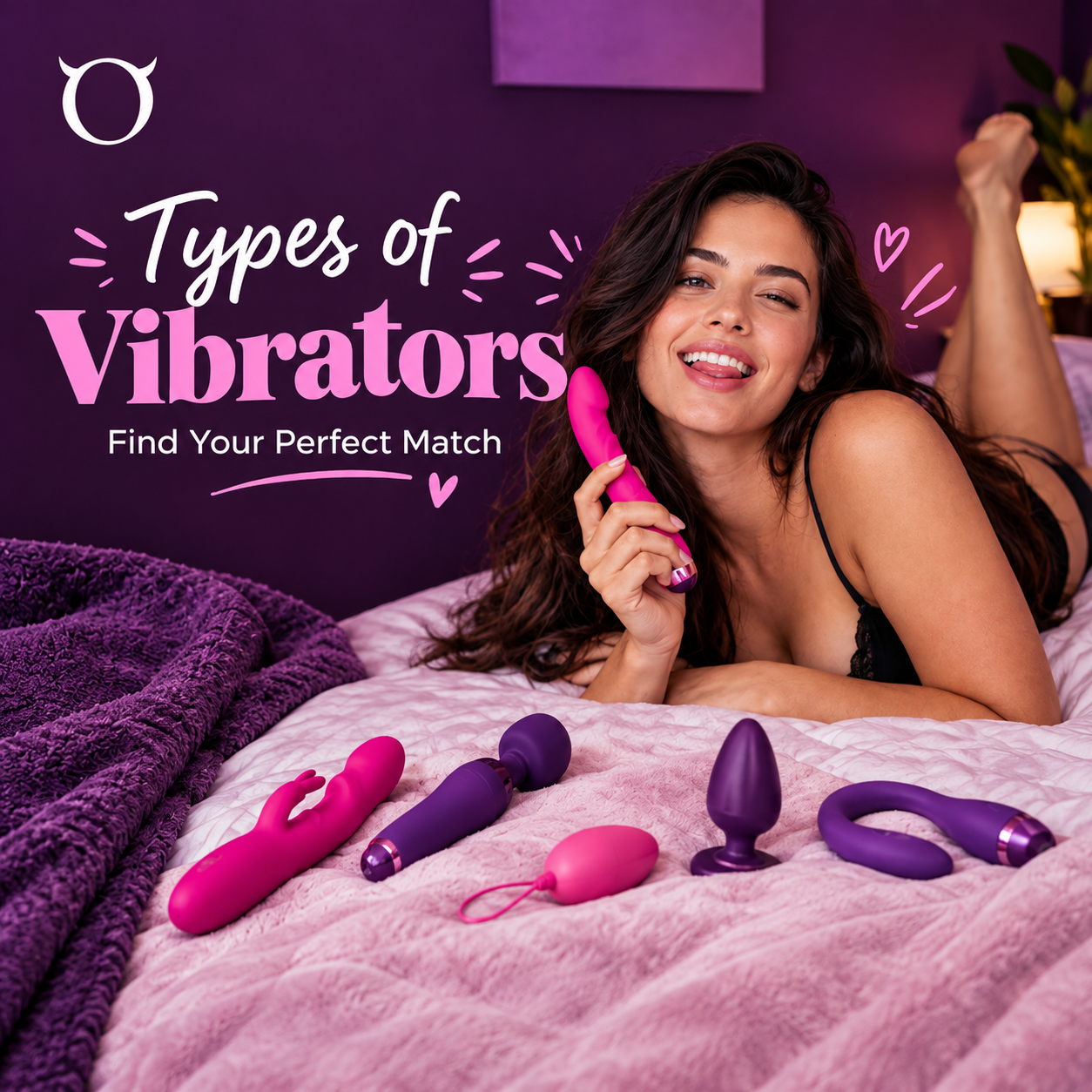
For example, a vibrator may provide stimulation that someone finds pleasurable, while a suitable lubricant may help reduce friction and make intimate activity more comfortable.
Neither product is a guaranteed solution for low sexual desire. If your lack of interest is connected to stress, medication, hormonal changes or an underlying health condition, addressing that factor may be more helpful.
Choose products based on your comfort, preferences and intended use rather than relying on claims that promise to boost desire instantly.
At Harmony Store, exploring sexual wellness can be about understanding what you enjoy, finding products that suit your preferences and approaching pleasure without pressure.
When Should You Speak to a Healthcare Professional?
Changes in libido are common, and you do not need to feel embarrassed about discussing them.
Consider speaking with a healthcare professional if:
-
Your sexual desire has changed suddenly or without an obvious reason.
-
Low libido is causing you distress or affecting your relationship.
-
You experience pain, persistent discomfort or other sexual difficulties.
-
You suspect that medication or a health condition is affecting your desire.
-
You have other symptoms, such as persistent fatigue or significant mood changes.
A healthcare professional can help identify possible contributing factors and discuss appropriate options based on your circumstances.
Avoid self-diagnosing a hormone problem or taking supplements marketed as libido boosters without checking whether they are safe and suitable for you.
Understanding Your Libido Is Part of Understanding Yourself
Libido is personal, changeable and influenced by far more than hormones alone. Stress, sleep, emotional connection, physical health, medication and life circumstances can all affect how interested you feel in intimacy.
There is no perfect level of sexual desire and no need to compare your experience with anyone else's. What matters is understanding what feels right for you, communicating openly with your partner and seeking support if a change causes concern.
Whether you are exploring your preferences, reconnecting with a partner or simply learning more about sexual wellness, give yourself room to discover what works for you.
Curious about exploring pleasure in your own way? Discover the sexual wellness range at Harmony Store and find options that suit your comfort, preferences and personal journey.
Frequently Asked Questions
Low libido can be associated with stress, tiredness, mental health, hormonal changes, relationship difficulties, certain medications and underlying health conditions. Sometimes, multiple factors contribute at once.
Getting enough sleep, managing stress, maintaining general health, communicating with your partner and making time for enjoyable, pressure-free intimacy may help. The best approach depends on what is affecting your desire.
Yes. Sexual desire can fluctuate with energy levels, stress, mood, hormones and circumstances. Occasional changes are common and do not necessarily indicate a problem.
No. Sexual desire can decrease for many reasons unrelated to attraction or love. Open communication can help partners understand what is happening without jumping to conclusions.
Masturbation is a normal sexual activity for many people. Its effects on desire vary, and there is no universal rule that it will increase or decrease libido over time.
Evidence for products marketed as libido boosters varies, and some may have side effects or interact with medication. Speak with a healthcare professional before using supplements, particularly if you have an underlying health condition or take prescribed medication.
Consider seeking professional advice if a change in desire is persistent, distressing, unexplained or accompanied by pain or other symptoms. You do not need to wait until it seriously affects your life to ask for help.