




Common types include wrist cuffs, ankle restraints, bondage ropes, adjustable straps, under-bed restraint systems and spreader bars. Each offers a different style of restraint and level of flexibility.
Types of Bondage Restraints: Cuffs, Ropes, Straps and More
News - Sex tips, advice on the best and latest toys and guides to everything from bondage to vibrator repair. Our blog is where you will find real-life experiences and recommendations to help you, and whoever you play with, get the most out of our sex toys and products. Fancy trying something new but unsure where to start? Or looking for thigh-trembling tricks to take things up a notch or two? Well then read on and see what our experts have to say. Still want more? Tweet us @harmonystoreuk and we will do our best to answer your questions. Our pleasure.
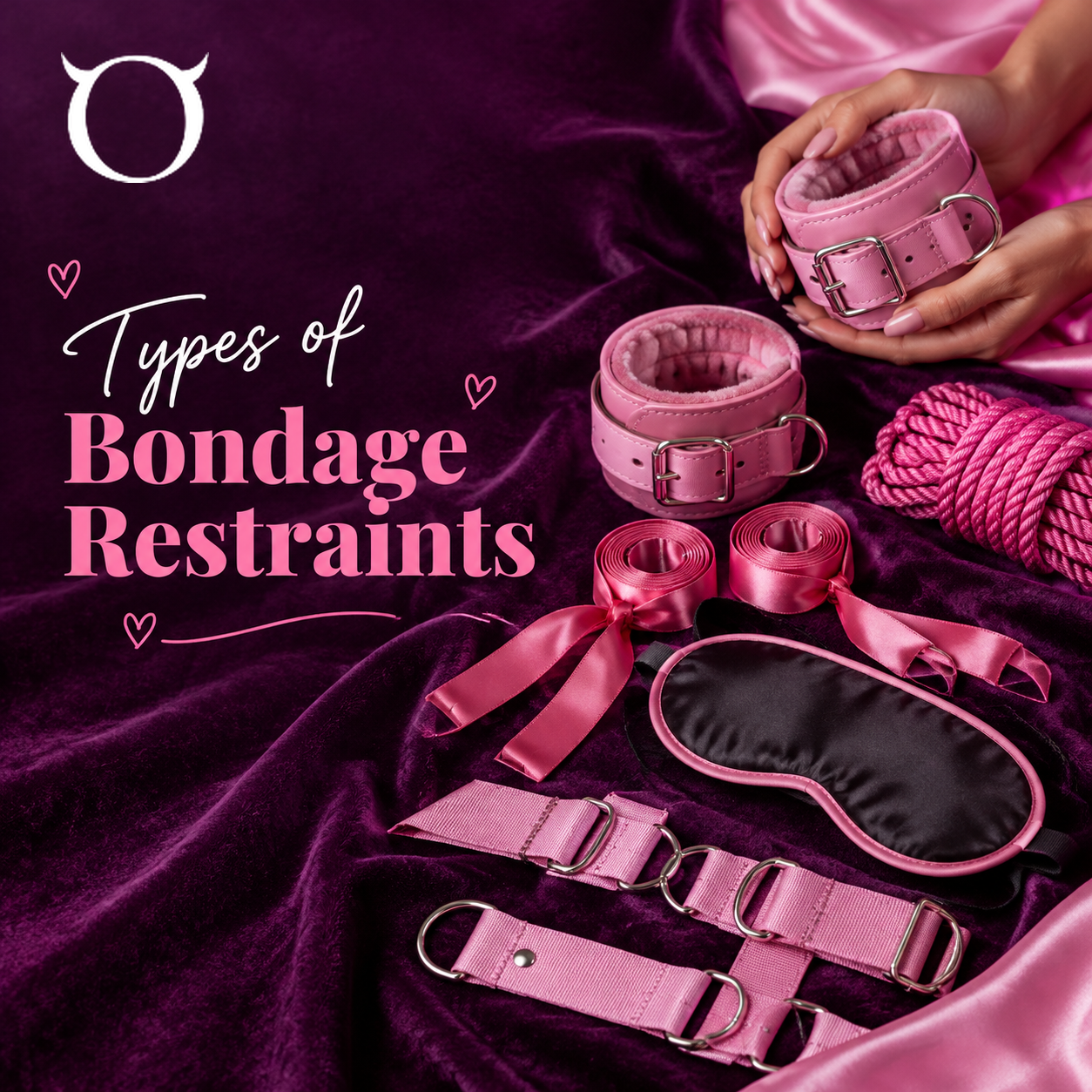
Curious about adding a little restraint to your intimate adventures? Bondage can introduce a different kind of excitement, whether you're interested in gentle teasing, playful power dynamics or exploring something new with a partner. And no, bondage isn't all about complicated knots and elaborate setups. There are plenty of options, from simple wrist cuffs and ankle restraints to adjustable straps, bondage ropes and full restraint systems.
The trick is finding something that matches your comfort level, preferences and experience. Whether you're a complete beginner or already know your way around a pair of cuffs, understanding the different types of bondage restraints can help you decide what to try next.
Let's explore the options and find out what makes each one different.
What Are Bondage Restraints?
Bondage restraints are accessories designed to limit movement consensually during intimate activities. They are commonly used as part of BDSM, where partners explore power exchange, control, trust and different sensations. Restraints come in various designs, materials and levels of restriction. Some are designed for light, temporary restraint, while others offer more adjustable or secure fastening.
Popular examples include:
-
Wrist cuffs and ankle restraints.
-
Bondage ropes and cords.
-
Adjustable restraint straps.
-
Under-bed restraint systems.
-
Spreader bars.
-
Restraint sets and kits.
Bondage doesn't have to be extreme or complicated. For many people, it is simply about experimenting with trust, anticipation and playful control.
1. Bondage Cuffs: A Classic Starting Point
If you're new to bondage, cuffs are often one of the easiest accessories to understand. They're designed to fit around the wrists or ankles and usually feature adjustable fastenings for a more comfortable fit. Cuffs are available in different materials, including leather, faux leather, fabric and padded designs.
Wrist Cuffs
Wrist cuffs are designed to fit around the wrists and are among the most recognisable bondage accessories. They can be used individually or as part of a matching restraint set. Many designs feature adjustable buckles, Velcro fastenings or quick-release clips. Padded versions can offer additional comfort, particularly for beginners.
Ankle Cuffs
Ankle cuffs are designed to fit around the ankles and are often available as matching accessories to wrist restraints. They may feature connecting straps or attachment points, depending on the design. Adjustable options allow users to find a suitable fit without choosing a completely restrictive style.

Who are they suitable for?
Cuffs are a practical option for beginners and experienced users alike. They're relatively straightforward to put on and remove, making them a popular choice for people exploring restraint for the first time.
2. Bondage Ropes: For a More Traditional Experience
Rope bondage is one of the most recognisable forms of bondage. It involves using a Bondage rope to create different restraint patterns and is often associated with Shibari, a Japanese rope-bondage practice. Unlike ready-made cuffs, rope offers more flexibility in how it is used. However, it also requires considerably more knowledge and care.
Common Types of Bondage Rope
Cotton Rope
Cotton rope is generally softer and more comfortable to handle than many synthetic alternatives. It can be a useful option for learning basic rope-handling techniques, although the specific construction and finish matter.
Jute Rope
Jute is a natural fibre traditionally used in some rope-bondage practices. It has a rougher texture and is often chosen for its traditional appearance and handling characteristics.
Synthetic Rope
Synthetic ropes are available in different textures and thicknesses. They can be easier to clean than some natural-fibre ropes, depending on the material and construction.
Is Rope Bondage Suitable for Beginners?
Rope bondage requires more preparation than using ready-made cuffs. Tight knots, pressure on nerves and restricted circulation can cause serious injuries.
Beginners should learn from reputable, safety-focused instruction before attempting rope restraints. Never place rope around the neck, and avoid suspension or complex techniques without specialist training. For a simpler introduction to restraint, purpose-made adjustable cuffs are generally a more straightforward choice.
3. Bondage Straps: Adjustable and Versatile
Bondage straps offer another way to explore restraint without learning rope techniques. They are typically made from materials such as nylon, leather or faux leather and often feature adjustable buckles or fastening systems. Depending on the design, straps can be used as standalone accessories or as part of a larger restraint system.
What Makes Bondage Straps Different?
Compared with individual cuffs, straps can offer more flexibility in their length and attachment arrangements.
Common features include:
-
Adjustable lengths for different body sizes.
-
Buckle or hook-and-loop fastenings.
-
Attachment points for compatible accessories.
-
Padded sections for added comfort.
-
Different materials and finishes.
Always check how a strap is intended to be used. Not every strap or attachment is designed to support body weight or withstand pulling.
4. Under-Bed Restraint Systems: A Convenient Setup
Under-bed restraint systems are designed to fit beneath a mattress, with straps extending out from the sides to provide attachment points for compatible wrist or ankle cuffs. They're popular because they can create a restraint setup without requiring permanent fixtures or specialist installation.
Why Choose an Under-Bed Restraint System?
-
Easy setup: Most designs fit beneath a suitable mattress.
-
Adjustable positioning: Straps can often be adjusted to suit the setup.
-
Discreet storage: Many systems can be removed and stored away after use.
-
Matching accessories: Some kits include wrist and ankle cuffs.
Before using one, check the manufacturer's fitting instructions and make sure the mattress and bed frame are suitable. Do not assume that every system is designed to support body weight.
5. Spreader Bars: Exploring a Different Type of Restraint
Spreader bars are rigid or semi-rigid accessories designed to keep two attachment points apart. They commonly feature cuffs at either end and are available in different lengths and materials. They're generally used by people who already have some experience with restraint accessories and understand how to position them comfortably.
What Should You Know About Spreader Bars?
Spreader bars can restrict movement more noticeably than simple cuffs, so positioning and fit are particularly important.
Look for:
-
Comfortable, adjustable cuffs.
-
Smooth edges and secure attachment points.
-
A suitable length for the intended use.
-
Quick-release mechanisms where available.
Avoid forcing your body into an uncomfortable position. If you experience pain, numbness or tingling, stop immediately and remove the restraint.
6. Bondage Restraint Sets: Everything in One Package
Not sure which accessories to buy individually? A Bondage Restraint Set can be a convenient starting point. These sets often combine several accessories into one package, making it easier to explore different restraint styles without purchasing everything separately.

Depending on the kit, you may find:
-
Wrist cuffs.
-
Ankle restraints.
-
Connecting straps.
-
Under-bed restraint systems.
-
Blindfolds.
-
Matching storage bags.
Some sets are designed for beginners, while others include more specialised accessories. Before purchasing, check exactly what is included, the materials used, available adjustment options and the manufacturer's safety guidance.
7. Bondage Accessories That Complement Restraints
Restraints are often combined with other BDSM accessories to create a more personalised experience. These products are not restraints themselves, but they can complement a bondage setup.
Blindfolds
Blindfolds temporarily remove visual stimulation and can add anticipation to intimate activities. Choose a comfortable design that does not put pressure on the eyes.
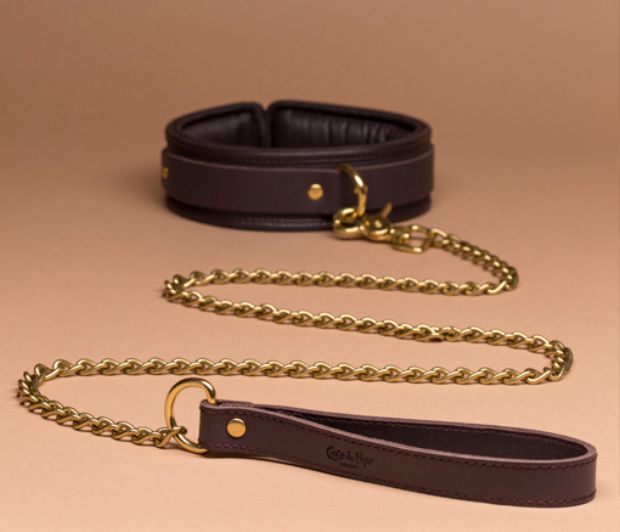
Collars
Bondage collars are accessories commonly associated with BDSM and power-exchange dynamics. Some are decorative, while others have attachment points. They should never be used to apply pressure to the neck or restrict breathing.
Bondage Masks
Bondage masks come in different styles and materials, from simple decorative designs to more elaborate accessories. Choose designs that allow unrestricted breathing and easy removal.
Restraint Accessories
Additional straps, connectors and compatible attachment accessories can help customise a restraint setup. Always check compatibility and intended use before combining products.
Which Bondage Restraint Is Best for Beginners?
If you're just starting to explore bondage, choosing something simple, adjustable and easy to remove is a sensible approach.
Here's a quick comparison:
|
Restraint Type |
Main Feature |
Beginner Suitability |
|
Wrist cuffs |
Simple wrist restraint |
Good starting option |
|
Ankle cuffs |
Designed for ankle restraint |
Good starting option |
|
Bondage ropes |
Flexible, technique-based restraint |
Requires training |
|
Bondage straps |
Adjustable restraint options |
Depends on design |
|
Under-bed systems |
Mattress-based attachment system |
Suitable with proper setup |
|
Spreader bars |
Keeps attachment points apart |
Better with experience |
|
Restraint sets |
Multiple accessories together |
Depends on included items |
If you're unsure, start with padded, adjustable cuffs featuring quick-release fastenings. You can explore more specialised accessories as you become familiar with your preferences and safety requirements.
How to Choose the Right Bondage Restraints
The best restraint is not necessarily the most elaborate or expensive one. It should suit your experience, feel comfortable and be appropriate for the activity you're exploring.
1. Consider Your Experience Level
Beginners may prefer simple cuffs or adjustable straps, while people with more experience may be interested in rope bondage or specialised restraint systems. Choose accessories that you understand how to use safely.
2. Choose Comfortable Materials
Bondage restraints are available in several materials, each offering a different feel.
-
Leather: Durable, structured and often associated with traditional BDSM accessories.
-
Faux leather: Offers a similar appearance with a different material construction.
-
Fabric: Often softer and more flexible.
-
Nylon: Lightweight, practical and commonly used for adjustable straps.
-
Cotton rope: A natural-fibre option with a softer feel, depending on its construction.
Check the manufacturer's cleaning instructions, especially for padded products and natural materials.
3. Check Adjustability
An adjustable restraint can accommodate different body sizes and may provide a more comfortable fit. Avoid products that feel too tight or place pressure on joints. Restraints should never cause numbness, tingling, pain or changes in skin colour.
4. Look for Quick-Release Features
Being able to remove restraints quickly is essential. Look for accessible buckles, clips or other release mechanisms. Avoid relying on complicated knots or fastenings that cannot be removed promptly.
5. Think About Storage and Cleaning
Different materials require different care routines. Some fabric and nylon products may be easier to clean, while leather and padded restraints often require more specific care. Follow the manufacturer's instructions and allow products to dry fully before storing them.
Bondage Safety: What Should You Always Remember?
Bondage should be about mutual enjoyment, trust and communication. Safety is just as important as choosing the right accessories. Keep these points in mind before experimenting:
Agree on boundaries beforehand. Discuss what you are both comfortable trying, what is off-limits and how either person can stop the activity.
Establish a safe word and signal. Agree on a clear safe word. If speaking may be difficult, establish a non-verbal signal that can be used immediately.
Keep restraints comfortable. Never tighten cuffs or straps to the point that they cause pain, numbness, tingling or restricted circulation.
Avoid dangerous areas. Never use restraints around the neck or in a way that affects breathing. Avoid pressure on nerves, joints and vulnerable areas.
Keep safety tools nearby. Have scissors or an appropriate quick-release tool within reach when using restraints that may be difficult to remove.
Never leave a restrained person unattended. Stay present, communicate regularly and check that the person wearing restraints is comfortable.
Start slowly. You do not need to try everything at once. Explore simple accessories and gradually discover what works for both partners.
Consent must be ongoing. Either person can pause or stop at any point, regardless of what was agreed beforehand.
Final Thoughts: Find Your Style of Restraint
From classic wrist cuffs and ankle restraints to adjustable straps, rope and under-bed systems, there are plenty of ways to explore bondage. The best place to start is with accessories that match your comfort level, experience and personal preferences. You don't need an elaborate setup to enjoy the experience. Sometimes, a simple pair of well-fitted cuffs is more than enough to introduce something different.
Take your time, communicate openly and prioritise safety. After all, the best bondage experience is one that everyone involved genuinely enjoys.
Ready to explore? Discover the bondage and restraint collection at Harmony Store and find accessories to suit your style of play.
Frequently Asked Questions
Adjustable, padded wrist and ankle cuffs are often a straightforward starting point. Look for comfortable materials, secure but accessible fastenings and quick-release features.
Bondage cuffs are designed to fit around specific body parts, usually the wrists or ankles. Bondage straps are generally longer and more adjustable, and some are designed to connect different restraint accessories.
It depends on personal preference. Leather offers a structured feel, faux leather provides a similar appearance, fabric can feel softer and nylon is commonly used for lightweight adjustable restraints.
Rope bondage requires knowledge of safe techniques and an understanding of pressure points, circulation and nerve risks. Beginners should seek reputable instruction and avoid complex ties or suspension.
They can be used safely when fitted according to the manufacturer's instructions and used for their intended purpose. Check the bed's suitability, ensure the restraints are comfortable and never assume the system can support body weight.
Cuffs should be secure enough to stay in position without causing pain, numbness, tingling or restricted circulation. They should be removable quickly if discomfort occurs.
Yes. Couples can start with simple accessories, discuss boundaries and agree on a safe word or signal. There is no need to rush into more advanced activities.
Cleaning depends on the material. Follow the manufacturer's care instructions, use suitable cleaning products and ensure restraints are completely dry before storing them.